
Multimodal MRI signatures predict ketamine antidepressant response in treatment-resistant depression: a machine-learning analysis of independent clinical trials
P.-C. Wu1, T.-P. Su1,2, C.-T. Li1,3, Y.-M. Bai1,4, M.-H. Chen1,4
1Taipei Veterans General Hospital, Department of Psychiatry, Taipei, Taiwan, 2Cheng Hsin General Hospital, Department of Psychiatry, Taipei, Taiwan, 3National Yang Ming Chiao Tung University, Institute of Brain Science, Taipei, Taiwan, 4National Yang Ming Chiao Tung University, Division of Psychiatry, Faculty of Medicine, Taipei, Taiwan
Background: While ketamine produces rapid antidepressant effects in treatment-resistant depression (TRD), response heterogeneity necessitates robust biomarkers to optimize clinical decision-making.
Aims & Objectives: To validate a machine-learning (ML) framework for predicting ketamine antidepressant response from pre-treatment multimodal neuroimaging features across independent datasets.
Method: Data from two independent randomized controlled trials were analyzed (training: Trial 1, n=28; independent testing: Trial 2, n=21). Feature extraction combined resting-state functional connectivity, graph-theoretical metrics, and structural morphometry. A K-nearest neighbors classifier was trained using consensus nested cross-validation with ReliefF and minimum redundancy maximum relevance (mRMR) feature selection, with Gaussian noise–based data augmentation to enhance robustness.
Results: The model generalized well to the independent testing set, achieving 81.0% accuracy and 91.7% specificity. Principal component analysis of the selected features highlighted connectivity patterns involving thalamocortical, visual, and salience networks.
Table 1. Variance explained by principal components (PCs). Seven PCs summarize 81.9% of the variance across the 16 selected features.
Figure 1. Performance on independent testing set.
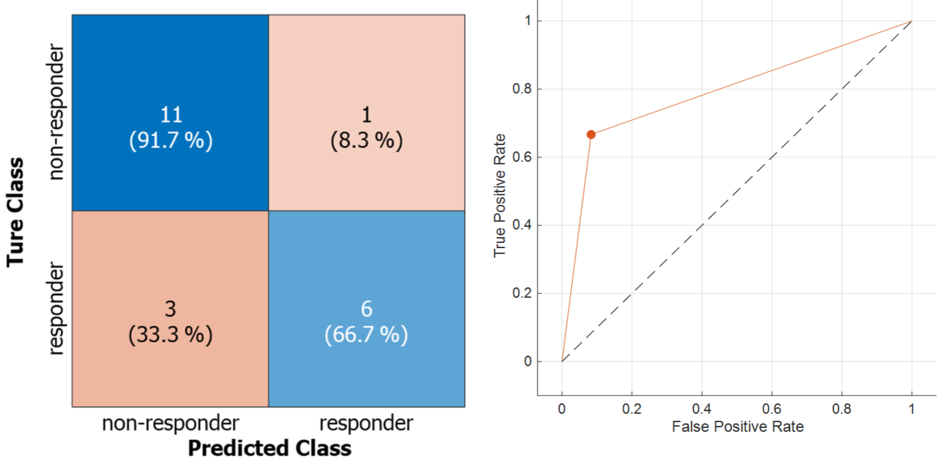
Table 1. Variance explained by principal components (PCs). Seven PCs summarize 81.9% of the variance across the 16 selected features.
| Component | Variance Explained (%) | Cumulative Variance (%) |
|---|---|---|
| PC1 | 30.7 | 30.7 |
| PC2 | 13.7 | 44.4 |
| PC3 | 11.3 | 55.8 |
| PC4 | 7.6 | 63.4 |
| PC5 | 7.2 | 70.6 |
| PC6 | 5.9 | 76.5 |
| PC7 | 5.4 | 81.9 |
Figure 1. Performance on independent testing set.
Discussion & Conclusions: This study identifies a multimodal MRI-based ML biosignature of ketamine antidepressant response with good specificity and external generalizability. Accurate non-responder identification supports precision stratification in TRD.
In sessions